
Colorado Homeowners Insurance: Why It's Expensive, and Why Hail Is the Reason
Relocating buyers assume wildfire risk is what prices a Denver insurance policy. The state's own data says otherwise: hail is the driver, and it's changing how deals get written.
Here's a question I get from many buyers relocating to Denver from out of state: "How bad is the wildfire risk on my insurance?" It's a reasonable question. The fires on the national news are real, and the images stick. But when the insurance quote for a Berkeley bungalow or a Congress Park two-story comes back higher than expected, wildfire usually isn't the reason.
Hail is.
If you're buying on the Front Range, or you own here and just opened a renewal notice that made you wince, knowing what actually drives Colorado homeowners insurance changes how you shop, how you write offers, and sometimes whether a deal holds together at all.
The Myth: Wildfire Prices Your Denver Policy
In February 2026, the Colorado Division of Insurance and the Governor's office released an analysis of what's actually built into homeowners premiums across the state, and the headline result is blunt: hail is the number one factor driving up homeowners insurance rates in Colorado. In Denver, the Division found that only about one percent of the average premium goes toward wildfire risk.
One percent. The thing relocating buyers worry about most is close to a rounding error on a Denver policy.
Where wildfire does bite, it bites differently. In high-risk mountain areas, the problem is a combination of the price of a policy and whether you can get a policy at all. CPR reports that homeowners in places like Nederland or Evergreen can be dropped by insurers entirely, which matters enormously if you're buying in the foothills, and matters very little if you're buying in Sunnyside. It's a solvable problem, and we've solved it for foothills buyers, but it's a different geography with a different playbook, and it deserves its own post. This one is about the city and the Front Range, where the story is hail.
The Reality: Hail Is the Line Item
The Front Range averages several hail storms a year, per CPR, and a single storm can do staggering damage. The May 30, 2024 storm that dropped baseball-sized hail across the north metro caused nearly $2 billion in damage, per NOAA, in a single night. Not a season. One night.
Insurers spread losses like that across every policy they write. In the state's analysis, the average Denver County premium was $3,040, and $1,547 of that, roughly half, was hail. Wildfire was $30. Even Summit County, which rarely sees hail, pays about 36 percent of its premiums toward it. Per CPR, Colorado premiums are rising faster than the national average and far outpacing inflation.
Those are countywide averages, though. On a specific house, the number depends on the roof, the carrier, the deductible structure, and the address. The only premium that matters is the quote on the home you're buying.
What This Means If You're Buying in 2026
Get the insurance quote early in the process
For years, insurance was the errand buyers ran during the loan process: call an agent, bind a policy, done. That casual sequencing doesn't work anymore. The premium on an older roof can be high enough to move your monthly payment meaningfully, and on some homes, carriers will decline to write the policy or will exclude the roof until it's replaced. And once you're under contract, you'll be spending real money on inspections and an appraisal. Make sure the premium fits your monthly payment before that money is out the door.
So here's the order of operations I recommend: the day you get serious about a specific house, get an actual quote on that actual address. Not a ballpark from a website. A quote, from an agent, on that roof. Get two or three if you can, because carriers price hail very differently and the spread on the same house can be wide. Better to know the number while you can still negotiate than to discover it two weeks before closing.
The insurance deadline in your contract is not boilerplate
Colorado's standard Contract to Buy and Sell includes a Property Insurance Termination Deadline. Up to that date, you can terminate if you're not satisfied with the availability, terms, or premium of the insurance you can get on the property, in your sole subjective discretion. When insurance was cheap and automatic, nobody thought about it. Now it's one of the more useful protections in the contract, as long as you use the window to get real quotes.
The roof can make or break the deal
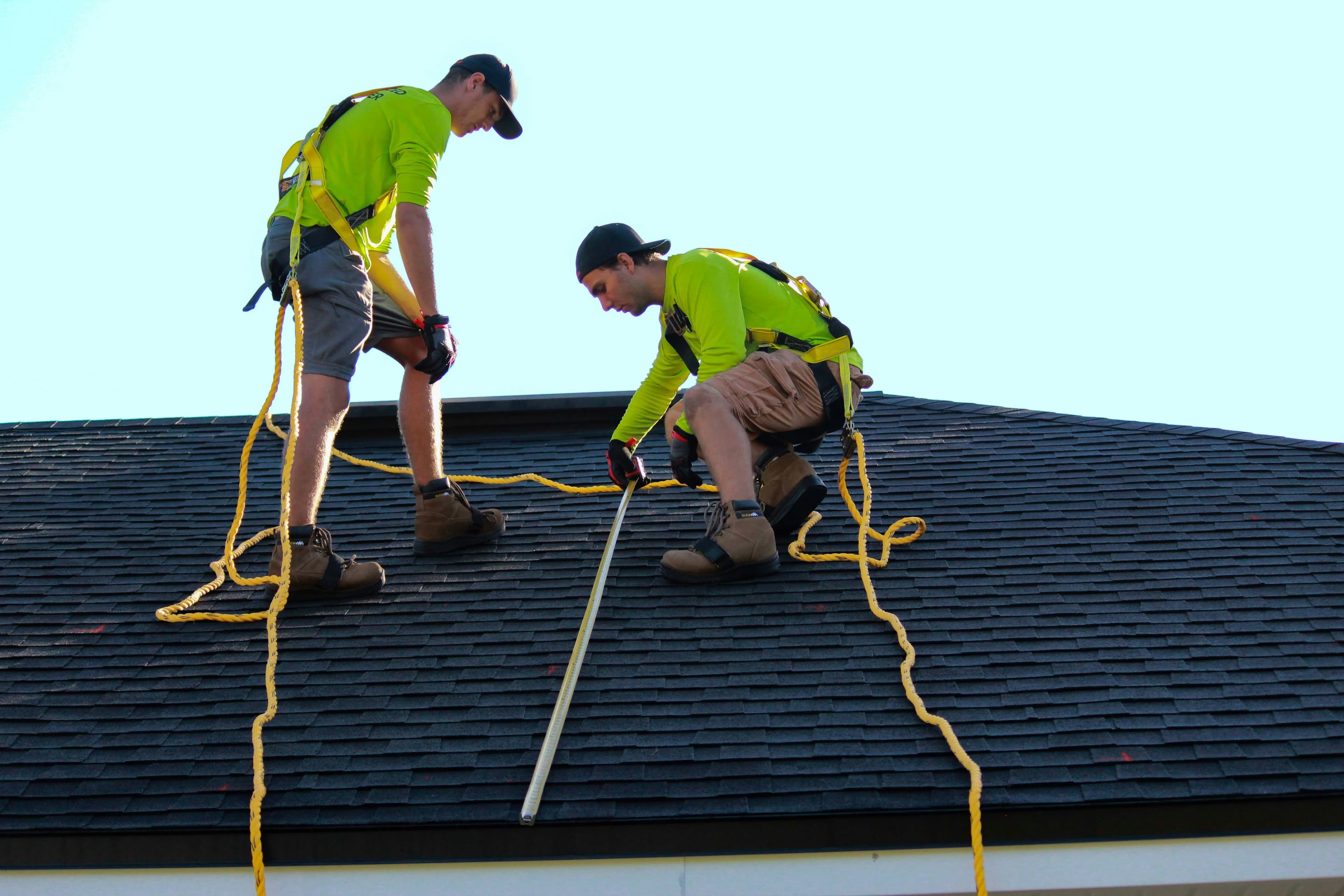
Insurers underwrite Front Range homes roof-first, because the roof is what hail destroys. An older roof can mean a higher premium, a much larger wind-and-hail deductible, an actual-cash-value roof settlement instead of full replacement cost, or a flat decline.
That changes negotiation. On a home with a roof near the end of its life, the roof becomes a legitimate inspection and insurance issue to resolve before closing, whether that's a seller-paid replacement, a price adjustment, or a credit. It's not nitpicking. It's the difference between an insurable house and an uninsurable one.
If the roof is getting replaced anyway, ask for Class 4 shingles, the most hail-resistant rating. Many carriers discount the premium for them. On a recent purchase, the roof replacement came out of inspection negotiations, and we got the buyer an upgrade to Class 4 shingles for exactly that reason. Discounts vary by carrier, so have your insurance agent quote it both ways.
What This Means If You're Selling
Flip it around. Every serious buyer's insurance agent is going to ask how old your roof is, and the answer shapes their quote, their monthly payment, and their appetite for your house. A few things worth doing before you list:
- Know your roof's age and paper trail. If it was replaced after a hail claim, have the date, the contractor, and the class of shingle ready. Hand it to buyers instead of making them dig.
- If the roof is old, price the reality in from the start. It will surface in inspection and in the buyer's insurance quote either way. Deciding in advance whether you'll replace it, credit it, or price for it beats renegotiating under deadline pressure.
- Consider a roof certification. For a few hundred dollars, a roofing contractor will inspect the roof and, if it passes (sometimes after minor repairs), certify its condition for a set term, commonly up to five years depending on the roof. It answers the buyer's biggest question before they ask it, and it gives their insurance agent something concrete to work with.
- If you have unrepaired hail damage, deal with it. An open or unresolved claim complicates the buyer's insurance search. Clean it up before the sign goes in the yard.
Practical Steps That Actually Lower the Number
A fortified roof pays you back. The Division calculated that a fortified, hail-resistant roof could save the average Denver County homeowner about $286 a year on premiums, and about $332 a year in Jefferson County. Wildfire mitigation, by comparison, saves Denver homeowners about $3 a year and Jefferson County homeowners about $12. It's still worth doing where fire risk is real, because it protects the house. It just isn't where the premium savings live.
Watch for state roof grants. In June 2026, Colorado created a state grant program, the Strengthen Colorado Homes Enterprise (SB26-155), to help homeowners pay for hail-resistant roofs, with priority for primary residences. Grants open once the Division of Insurance finishes the rules, expected sometime after January 1, 2027.
Understand your wind-and-hail deductible. Many Colorado policies now carry a separate wind-and-hail deductible set as a percentage of the home's insured value. On a Denver home, that can mean a five-figure out-of-pocket cost on a roof claim. Ask for the deductible in dollars and compare policies on that number, not just the premium.
Know the backstop exists. For homeowners who genuinely can't find coverage, Colorado launched a FAIR plan, an insurer of last resort. CPR reports those policies are typically more expensive and more limited than standard coverage, so it's a lifeline, not a first choice.
The Bottom Line
You can't change the weather. What you can change is when you find out the number. The buyers who get quotes early, use the insurance deadline, and negotiate the roof with open eyes don't get surprised. The ones who wait for the lender to ask for it sometimes do.
Insurance is one line in the full cost of owning here, alongside property taxes and the rest of the Denver buying process. Wouldn't you rather know the whole monthly number before you fall in love with a house? Reach out and I'll walk you through it, roof and all. And if you're still in the research phase, my newsletter is where I break down what's actually happening in this market, one honest read at a time.

About the Author
Scot Conti
Broker Associate at West + Main Homes. Berkeley resident, former architectural photographer, and your guide to Denver Metro real estate.


Have Questions?